Grasse, City of Perfume
, by Riviera Guests
Grasse came to perfume through leather. In the 15th century the town lived off its tanneries, whose hides, steeped in myrtle, were prized for their quality and their greenish tint. When perfumed gloves came into fashion, local craftsmen learned to cover the smell of the leather with the scent of flowers, and in 1724 the glove-makers and perfumers won their own guild statutes, separate from those of the tanners. Three centuries later, several perfume houses still open their factories to the public, and since 2018 the perfume skills of the Pays de Grasse have been on UNESCO’s list of Intangible Cultural Heritage.
The International Perfume Museum holds more than 55,000 objects
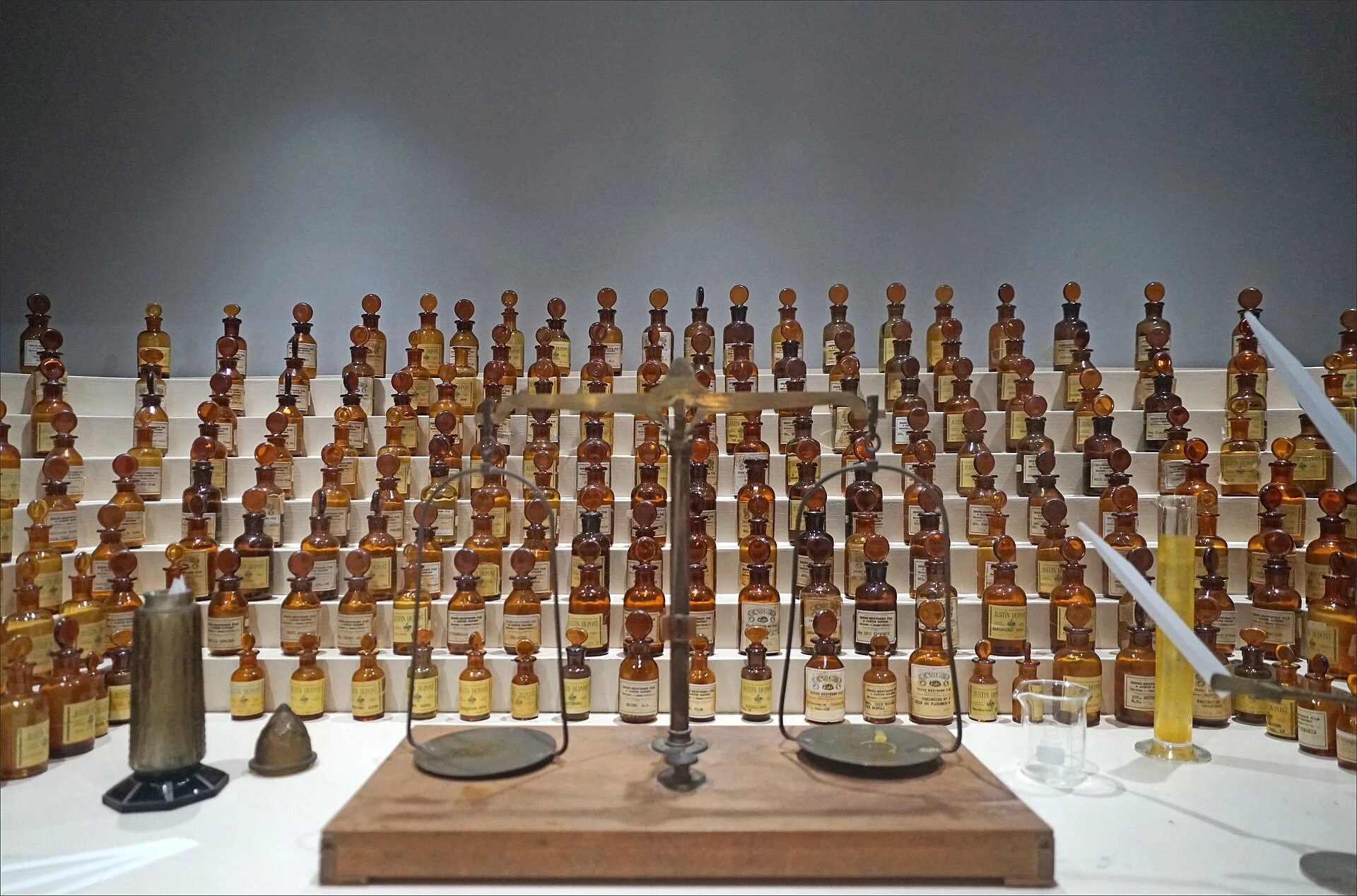
The Musée International de la Parfumerie opened in the town center in 1989, then was enlarged and entirely redesigned before reopening in 2008. It now covers 3,500 m² across five buildings, including the Hôtel de Pontevès, built in 1778, and its holdings make up the largest public collection in the world devoted to perfume, from antiquity to the present day. On display is the perfume organ of Jean Carles, the perfumer who ran Grasse’s first school of perfumery, with its amber bottles rising in tiers around the composition desk. In the greenhouse, ginger and vetiver grow in front of a device that releases their scent.
Until January 3, 2027, the exhibition “Parfums d’Asie” (Perfumes of Asia) brings together pieces on loan from the Musée Guimet and the Musée Cernuschi to explore the scent cultures of the continent, from China to India.
Three historic perfume houses open their factories for free
Fragonard, Molinard and Galimard welcome individual visitors without a reservation, and the free tour ends in the shop.
Eugène Fuchs founded Fragonard in 1926 and named it after the painter Jean-Honoré Fragonard, a native of Grasse, so the house celebrates its hundredth anniversary in 2026. Its Historic Factory (Usine historique), on boulevard Fragonard, sits right in the center of town, with tours leaving about every thirty minutes in five languages. Its second factory, the Fabrique des Fleurs, is surrounded by a garden of perfume plants on the road to Cannes.
Molinard, founded in 1849, receives visitors in an early 20th-century bastide, a Provençal country house, whose distillery has a roof structure attributed to Gustave Eiffel. The tour lasts twenty-five minutes and passes a collection of bottles made by Lalique and Baccarat. In 1921 the house created Habanita, the first oriental fragrance for women to put vetiver at the forefront.
Galimard is the oldest of the three. Jean de Galimard, lord of Séranon, founded it in 1747 and supplied the court of Louis XV with oils, pomades and perfumes. Its tour, which takes about an hour, is held at the factory on route de Cannes, where there is a large free parking lot.
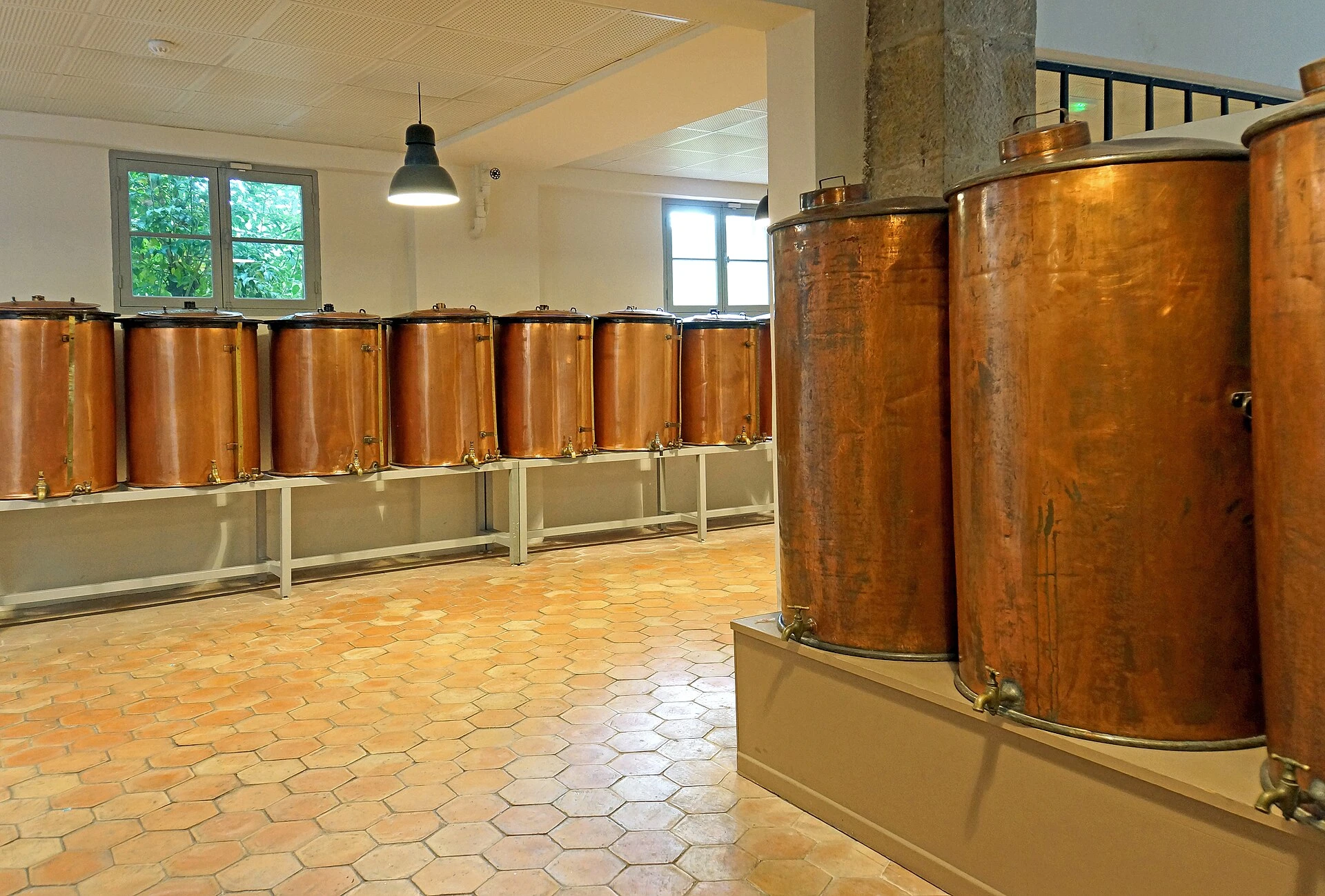
A creation workshop sends you home with your own formula
All three houses offer creation workshops, by reservation, where each participant composes a personal formula. At Molinard, the classic workshop lasts an hour, draws on ninety essences and ends with a 50 ml bottle, for €84. At Galimard’s Studio des Fragrances, which turns thirty in 2026 and claims more than 250,000 formulas created since it opened, the session runs about an hour and a half in front of an organ of 126 notes, costs €65 per adult with a 100 ml bottle, and is open to children from age 8. Fragonard devotes its “Apprenti parfumeur” (Apprentice Perfumer) workshop, held at the Fabrique des Fleurs, to eau de cologne, for ages 12 and up.
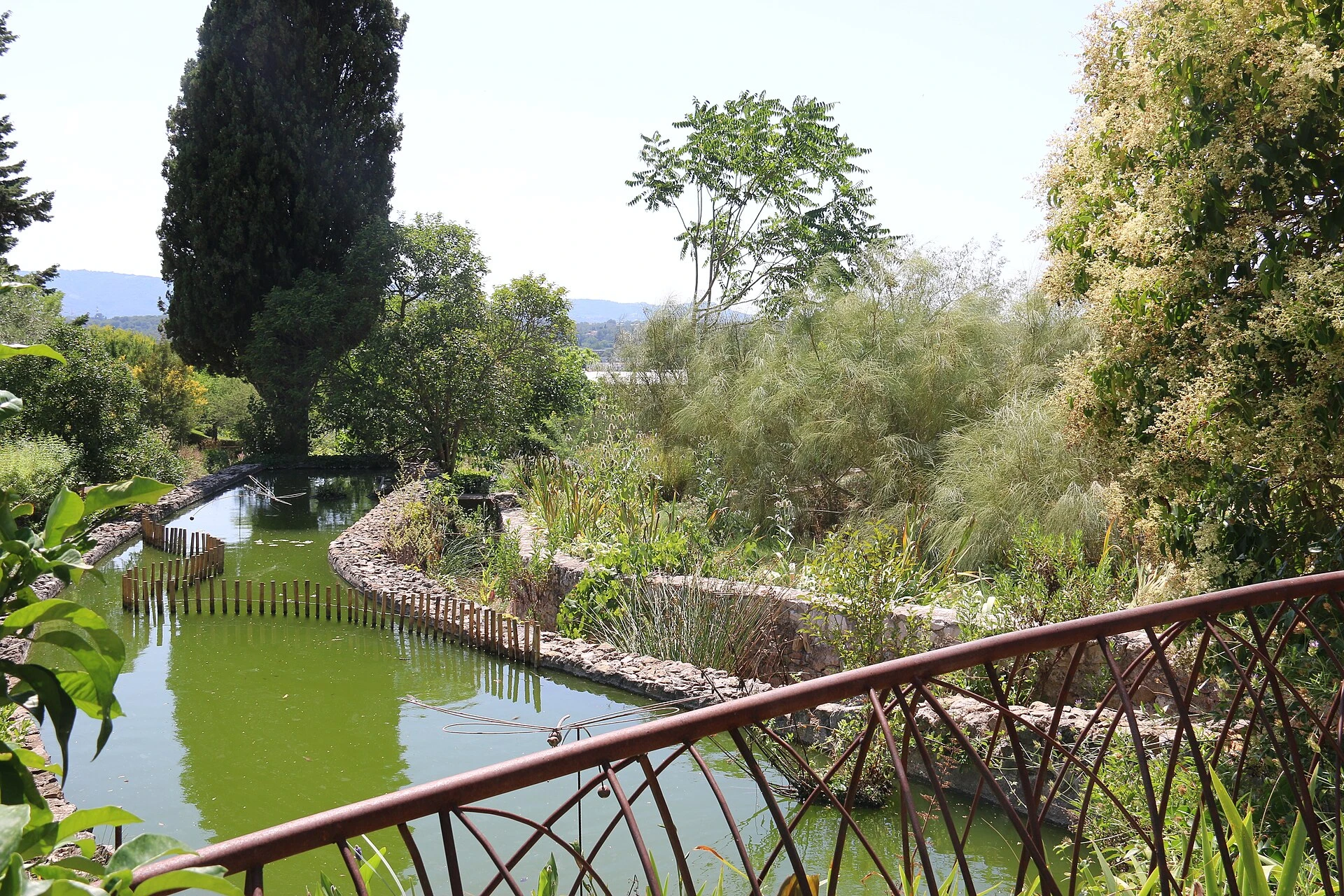
The MIP Gardens grow the flowers of perfume in Mouans-Sartoux
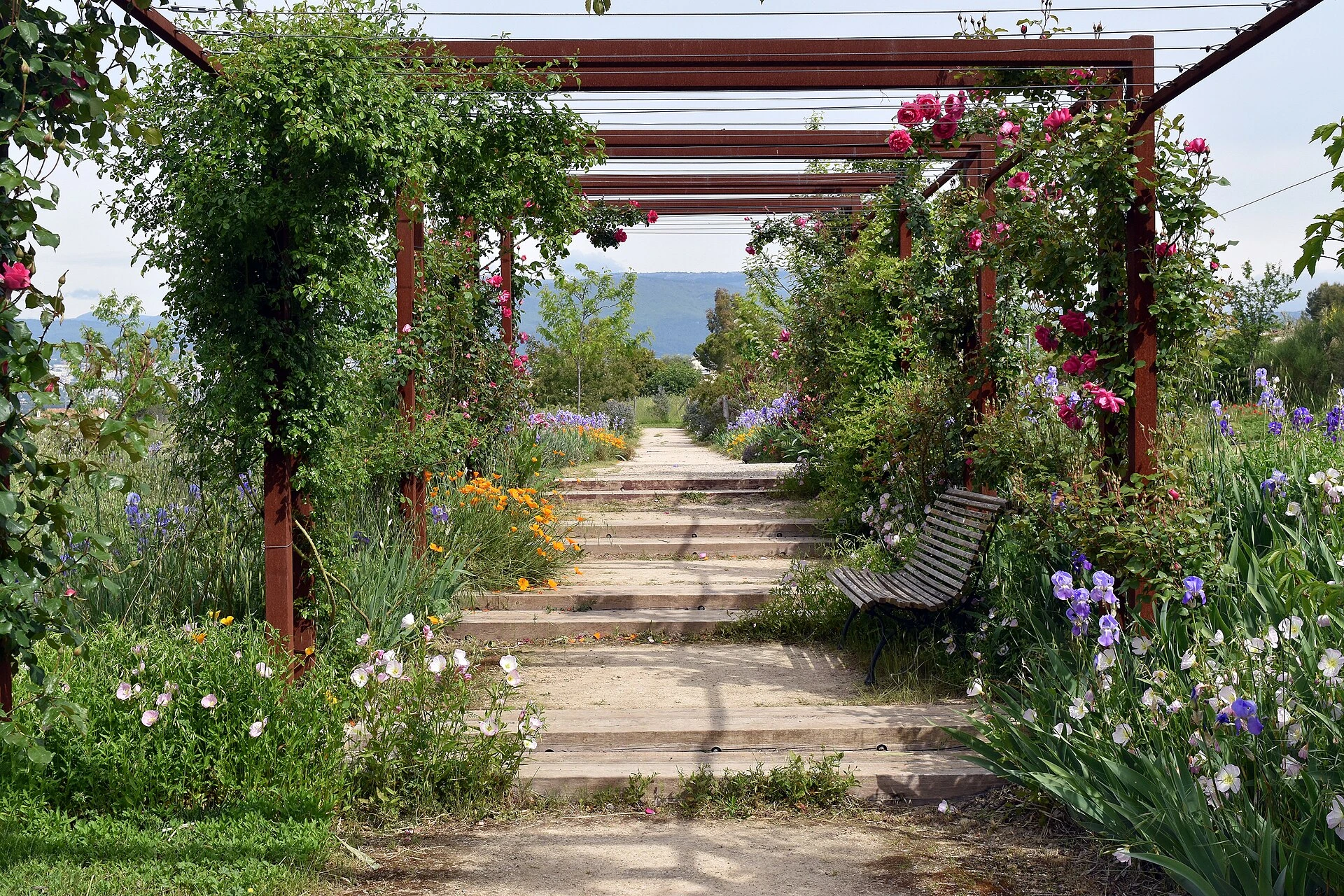
A few kilometers south of Grasse, in the town of Mouans-Sartoux, the MIP Gardens (Jardins du MIP) serve as a conservatory for perfume plants. May roses, jasmine, orange trees, tuberoses and violets grow across 2.7 hectares, next to fields farmed by traditional methods. The centifolia rose, known as the May rose, has been grown in the Pays de Grasse since the 17th century and, as its name suggests, blooms in May, when the gardens are at their best. They are open from March 1 to November 30, and a museum ticket gets you in at half price for seven days.
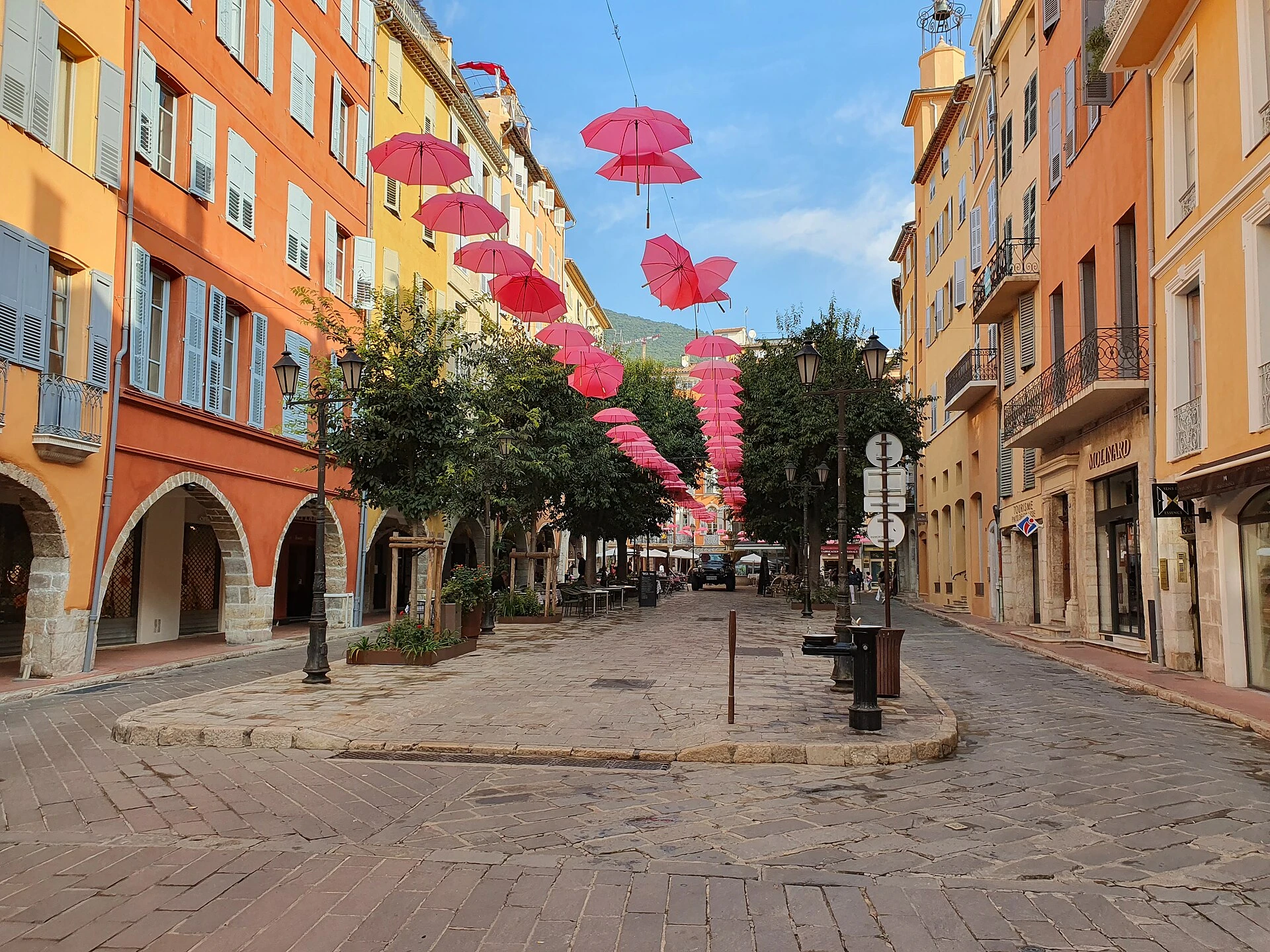
May and August bring the flower festivals
Every spring, the Expo Rose hangs thousands of pink umbrellas above the streets of the town center and fills the Villa Fragonard with cut roses; the 54th edition was held May 8 to 10, 2026. On the first weekend of August, the Fête du Jasmin (Jasmine Festival) sends a parade of flower-decked floats through town, from which thousands of fresh blossoms are thrown into the crowd. The perfume factories, for their part, are open all year round.
Practical information
International Perfume Museum (Musée International de la Parfumerie), 2 boulevard du Jeu de Ballon, Grasse. Open 10 am to 6 pm from September to June, until 7 pm in July and August. Closed May 1, December 25, January 1, and the first Monday of January, February, March, October, November and December. Admission €6, free for visitors under 18 and on the first Sunday of the month from October to March.
MIP Gardens, 979 chemin des Gourettes, Mouans-Sartoux. Open 9 am to 6 pm, March 1 to November 30; closed May 1. Admission €4, free parking.
Fragonard, Historic Factory, 20 boulevard Fragonard. Free tours daily from 9 am; from mid-November to mid-February, closed from 12:30 pm to 2 pm.
Molinard, 60 boulevard Victor Hugo. Free twenty-five-minute tour, departures every twenty minutes from 10 am to noon and from 2 pm to 5 pm; from October to March, Monday through Saturday. Workshop €84, by reservation at +33 4 92 42 33 21.
Galimard, 73 route de Cannes. Free tours daily from 9 am. Studio des Fragrances at 5 route de Pégomas, workshops €65 per adult, €55 for children under 15.
Getting there: from Grasse train station, the “Centifolia” shuttle and bus line 5 run to the town center. By car, the parking lots on cours Honoré Cresp and at La Foux are the closest to the museum.
Hours and prices checked in October 2026; confirm them before you go.
Where to stay: La Vieille Ferme de Grasse welcomes guests ten minutes from the perfume houses
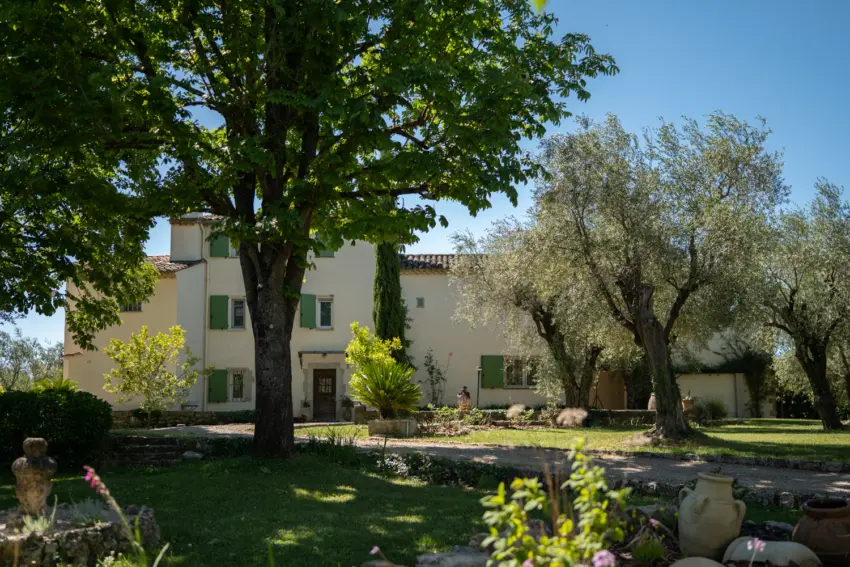
In the hills above Grasse, about a ten-minute drive from the museum and the three perfume houses, La Vieille Ferme de Grasse occupies an 18th-century farmhouse. Its three guest rooms, from 32 to 39 m², look onto a 5,000 m² garden planted with olive trees, a linden and horse chestnuts, at the far end of which the farm’s old water reservoir has become an elliptical swimming pool. Priscilla, who trained at the École de Boulangerie et Pâtisserie de Paris, hosts a table d’hôtes, a shared dinner for guests, once or twice a week, by reservation and for a minimum of four. The house blog has also written about the Apprenti parfumeur workshop at the Fabrique des Fleurs, eight minutes away.
More places to discover on the French Riviera